The platform was developed under Pillar 1 of the CTI-CFF Capacity Building Roadmap 2024–2027, a strategic plan to strengthen skills and institutions for effective marine ecosystem management that benefits nature and communities in the Coral Triangle.
Designed for accessibility, the platform includes content in Coral Triangle languages (including Bahasa Indonesia, Malay, Tetun, and Filipino) and functions well even in areas with limited bandwidth.
The platform serves as an essential tool for practitioners, government staff, and students in the Coral Triangle.
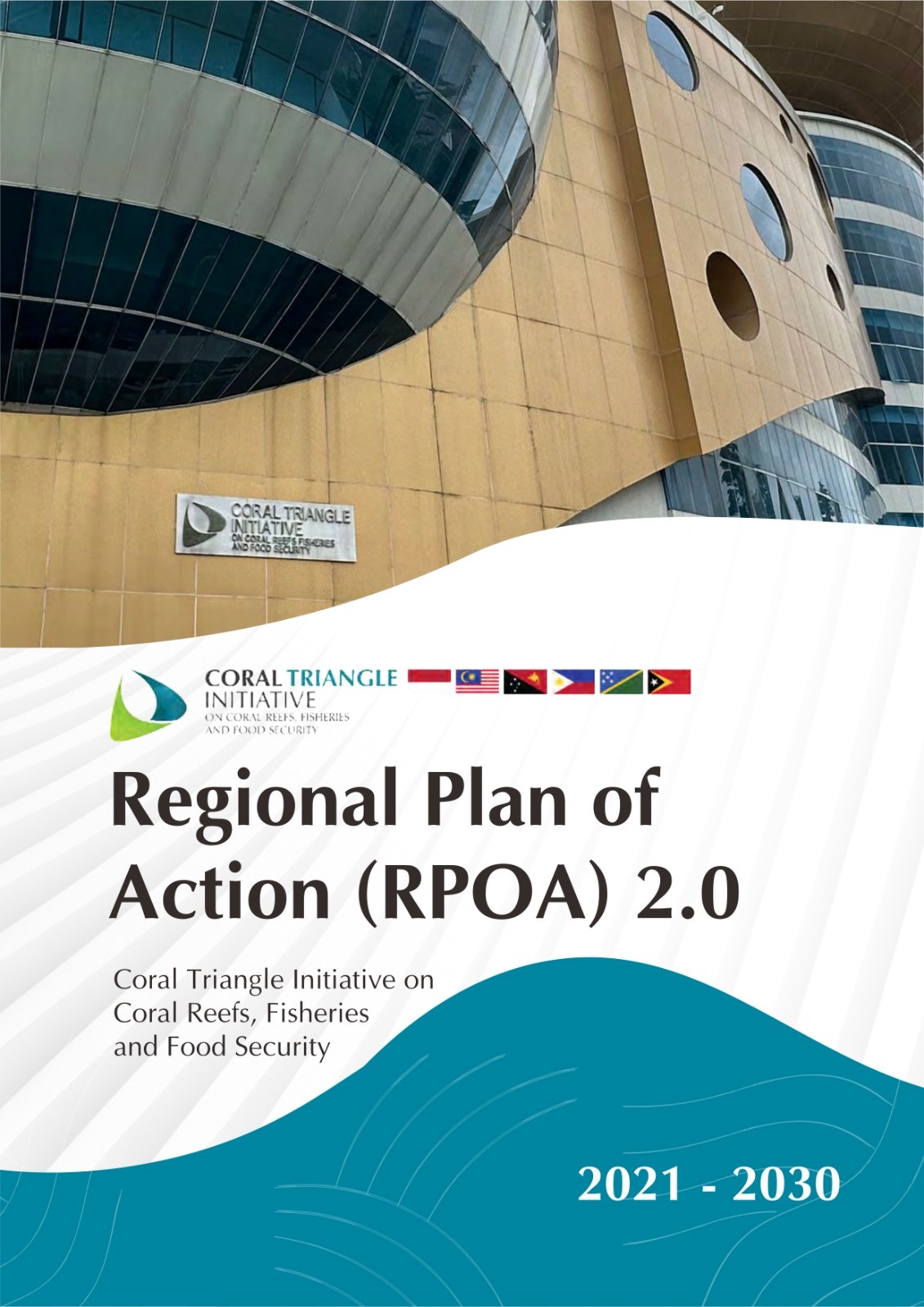
The Coral Triangle Initiative on Coral Reefs, Fisheries and Food Security (CTI-CFF) guides regional marine and coastal management through its Regional Plan of Action 2.0 (RPOA 2.0), the shared strategy for 2021–2030. RPoA 2.0 outlines the capacity and competency improvements needed to achieve two overarching goals:

Enabling coastal communities and protecting ecosystems through increased regional collaboration.

Supporting resilient communities and ecosystems with improved food security, fisheries and livelihoods.
These goals are organized into three objectives—improved ecosystem health and fisheries; improved resilience and socioeconomic conditions; and good governance, effective leadership, and partnerships—under which seven specific targets are defined.
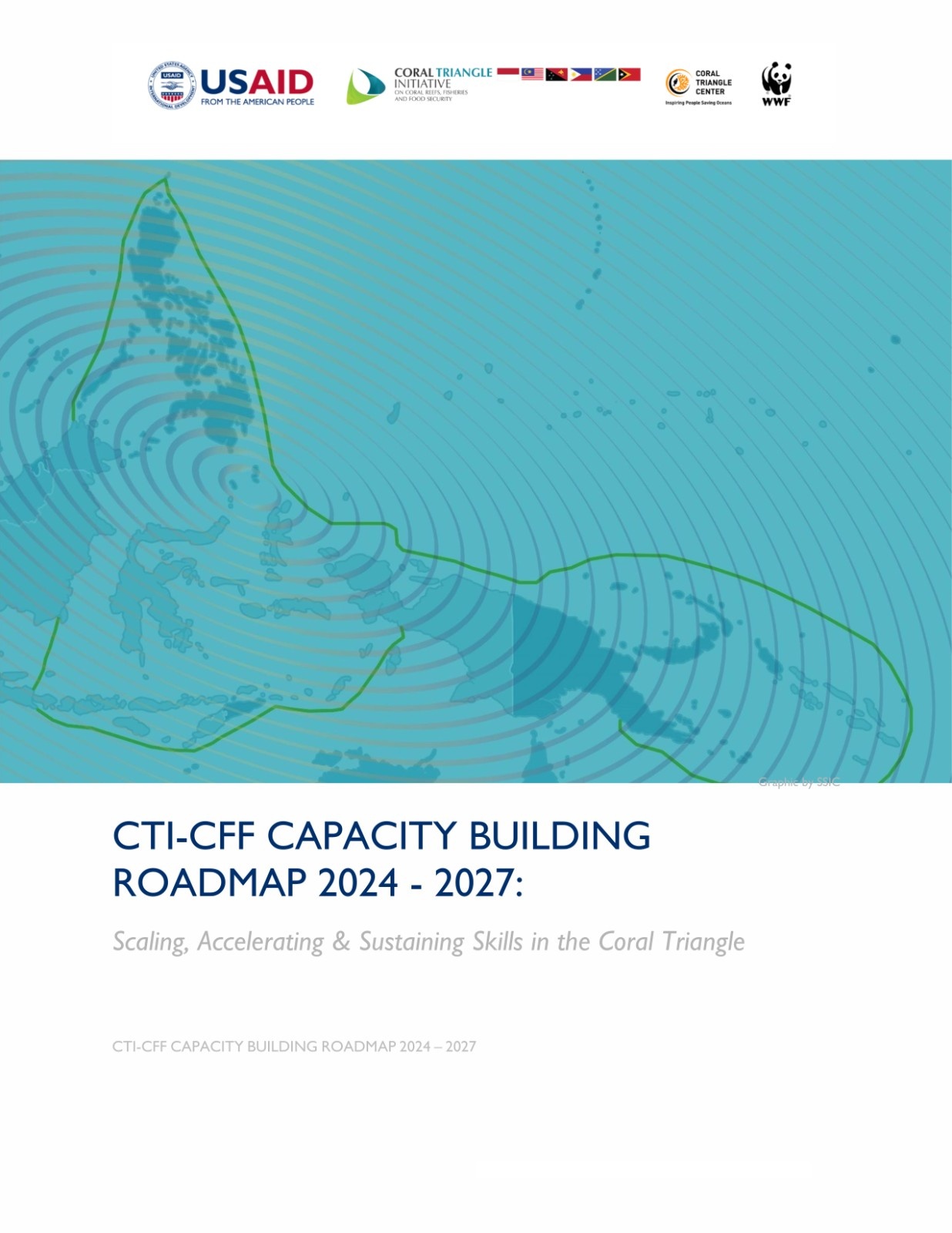
To help countries meet these targets, CTI-CFF and partners developed the Capacity Building Roadmap (2024–2027), which identifies priority actions to scale and accelerate skills development across the region.
The CTI-CFF Capacity Building Repository is intended to inspire stronger, more connected marine and coastal management across the Coral Triangle by bringing essential knowledge into one accessible space. It aims to spark learning and collaboration by offering region-focused best practices, case studies, and lessons learned that help practitioners grow their skills and confidence.
The Repository also seeks to strengthen a sense of shared purpose by linking users with training providers, funding opportunities, and active learning networks. At its core, the platform celebrates Coral Triangle expertise-local stories, field-based examples, and community knowledge that reflect the region's diversity and ingenuity. By weaving these resources together, the Repository aims to support the competencies needed to protect ecosystems, improve livelihoods, and advance collective action across the six Coral Triangle countries.
Access our comprehensive library of documents and official reports.
Download the latest insights, data analysis, and documentation directly from our secure repository.
The CTI-CFF Regional Plan of Action 2.0 (2021–2030) outlines a comprehensive regional strategy to address major threats to coastal and marine ecosystems, including pollution, destructive fishing, and climate change, while strengthening the resilience of coastal communities. Built on shared commitments from member countries, the plan sets clear goals, targets, and actions to improve ecosystem health, protect biodiversity, and enhance sustainable fisheries, food security, and livelihoods. It emphasizes effective marine management, including Marine Protected Areas, ecosystem-based fisheries approaches, climate adaptation strategies, and innovative financing, alongside stronger governance, partnerships, and capacity building. The plan also prioritizes inclusive development by promoting gender equality, social inclusion, and youth engagement as key elements in achieving long-term resilience in the Coral Triangle region.
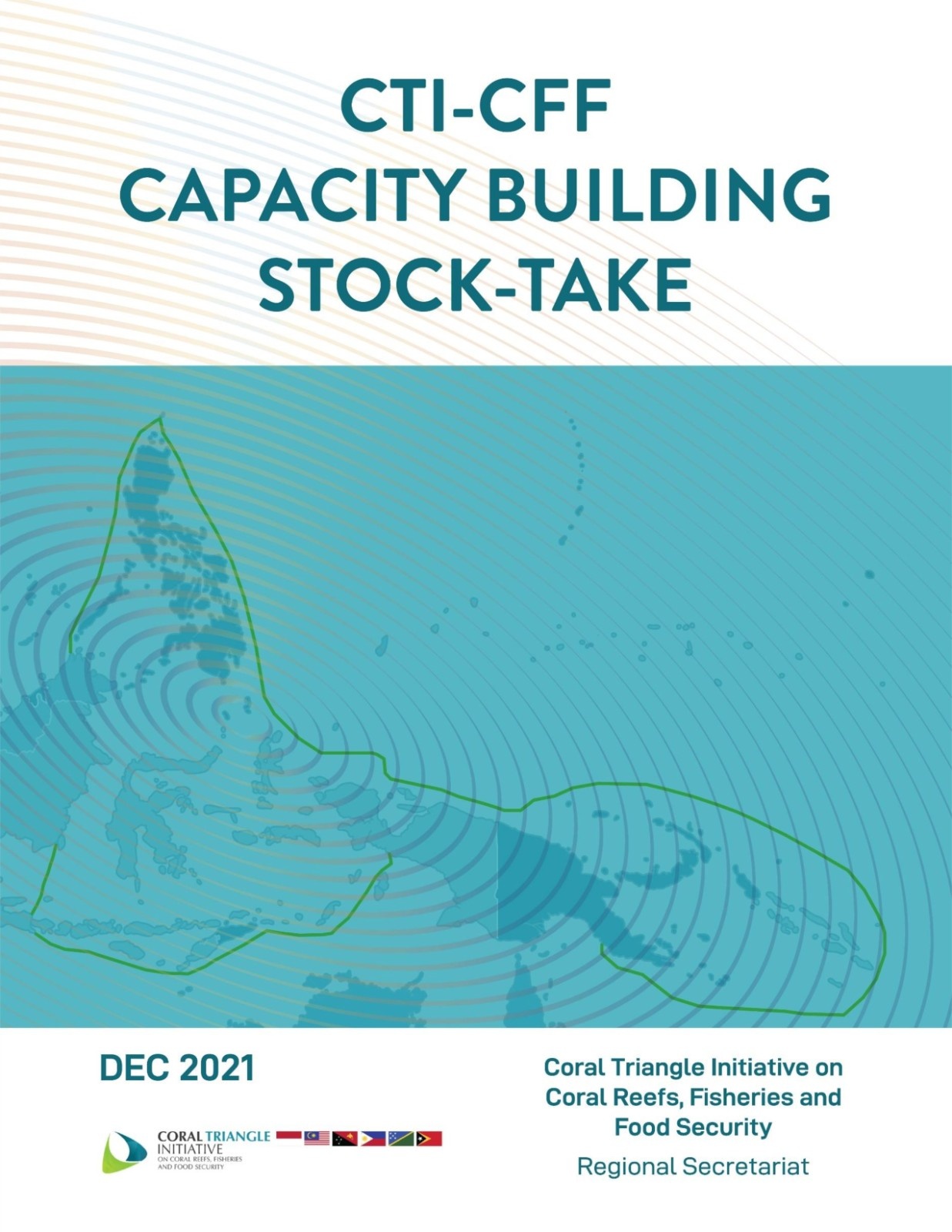
A 2021 position paper by CTI-CFF partners highlighted the urgent need to strengthen human capital in the Coral Triangle to support the global goal of effectively protecting 30 percent of coastal and marine areas by 2030. As a first step, a regional stocktake was conducted between August and November 2021 to assess existing capacity-building efforts, identify gaps and opportunities, and explore ways to scale and better coordinate initiatives. Covering 126 organizations across government, NGOs, academia, and international institutions, the study provides key insights and recommendations that informed the development of a regional capacity building roadmap to enhance skills, institutions, and long-term conservation impact.
The CTI-CFF Capacity Building Roadmap is a regional initiative designed to strengthen skills and institutional capacity to sustainably manage marine and coastal ecosystems across the Coral Triangle, a global center of marine biodiversity spanning six countries. Aligned with the CTI-CFF Regional Plan of Action (RPOA) 2.0 and global targets such as protecting 30 percent of the ocean by 2030, the roadmap was developed through a comprehensive assessment of capacity needs and endorsed by member countries in 2023. Led collaboratively by CTI-CFF, Coral Triangle Center, WWF, and supported by USAID SUFiA, it focuses on scaling up and accelerating capacity-building efforts while ensuring long-term, on-the-ground impact for both ecosystems and coastal communities.
We invite collaboration across a range of roles:
Share your expertise by joining the Directory of Expert Practitioners. Register your details to connect with peers across all six Coral Triangle countries and strengthen regional learning networks.
Feature your courses in the Capacity Building Providers Directory. Include course descriptions, links to online training, and information on delivery formats (such as online, in-person, or blended) so practitioners can easily find options that fit their needs.
Help grow our Capacity Building Resources by submitting case studies, best management practices, lessons learned, and locally grounded knowledge products. Your contributions highlight the diversity, innovation, and real-world experience of the Coral Triangle.
A dedicated curator reviews all submissions to ensure resources are high quality, well integrated, and easy for practitioners across the region to access and use.