Community-Based Coastal Resources Management
CTC-CFF Thematic Alignment
- Ecosystems Approach to Fisheries Management (EAFM)
- Community-Based Coastal Resource Management (CBCRM)
Geographic Scope
- Solomon Islands
- Papua New Guinea
- Timor-Leste
- Indonesia
- Philippines
- Malaysia
Available Languages
-
12 Hours
- EnglishEnroll Now
Course Collaborators
 Coral Triangle Center
Course Description
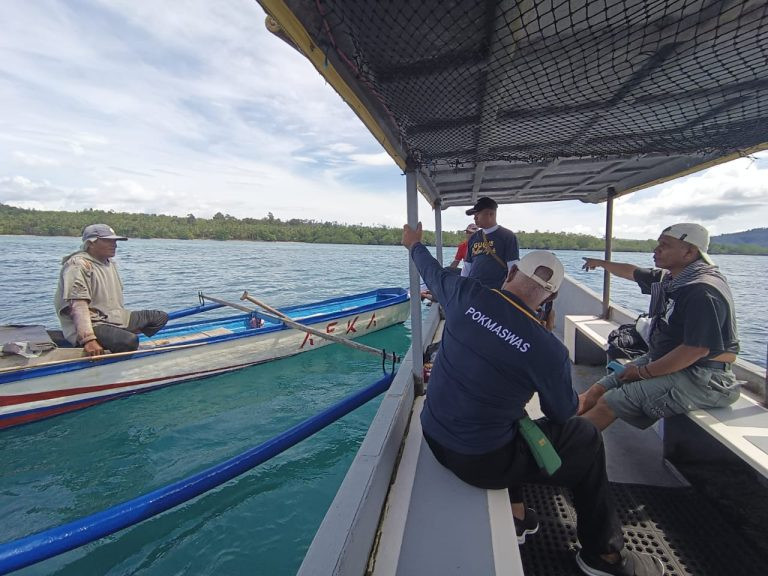
Community-Based Coastal Resources Management (CBCRM) is an approach to natural resources management that centers coastal communities in governance, decision-making, and stewardship. In the Coral Triangle, CBCRM is not just a management strategy but a foundational principle that recognizes the rights, knowledge, and capacity of coastal and indigenous communities to sustainably manage the resources on which their livelihood depend.This self-paced online course is designed as an introductory course for practitioners, community facilitators, local government officers, and field staff beginning their journey in coastal resource management. The course provides foundational concepts, frameworks, and practical tools grounded in both scientific evidence and the rich experience of communities across the Coral Triangle region. This CBCRM self-paced online course is developed based on the 2013 Papua New Guinea and the Solomon Islands - CBCRM Training of Trainers (TOT) curriculum and modules of the Australian Aid Project University Consortium (James Cook University, the University of Western Australia, Australian Institute of Marine Science, The University of Queensland, Charles Darwin University), The Nature Conservancy, and the Coral Triangle Center.
CTC-CFF RPoA 2.0 Alignment
Course Outline
Unit 1. Introduction to CBCRM
Concepts, history, principles, and the Coral Triangle context.
Unit 2. Coastal Ecosystems and Resources
Ecology, threats, and values of coastal ecosystems.
Unit 3. Community Organizing and Participatory Approaches
Stakeholder engagement, GEDSI, and participatory tools.
Unit 4. CBCRM Planning, Implementation, and Monitoring
From plan to action and adaptive management.